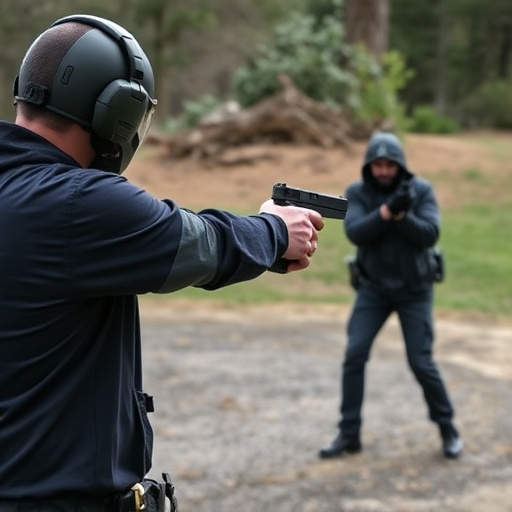
Understanding and adhering to state laws is crucial for legal and safe ownership of silent stun guns (tasers) for discreet self-defense, with varying restrictions on eligibility, training, carry areas, and potential penalties for non-compliance. Responsible ownership includes safe use, storage, and maintenance practices to ensure personal protection while mitigating risks.
“In an era where personal safety is a top priority, civilian ownership of silent stun guns for discreet self-defense has gained traction. This article explores the nuanced landscape of state laws regarding taser ownership. We break down the eligibility criteria for civilians looking to arm themselves with these powerful tools, delving into legal implications and safety regulations that vary across jurisdictions. Understanding your rights and responsibilities is key to responsible self-defense.”
- Understanding State Laws on Taser Ownership
- Eligibility Criteria for Civilian Use of Tasers
- Legal Implications and Safety Regulations
Understanding State Laws on Taser Ownership
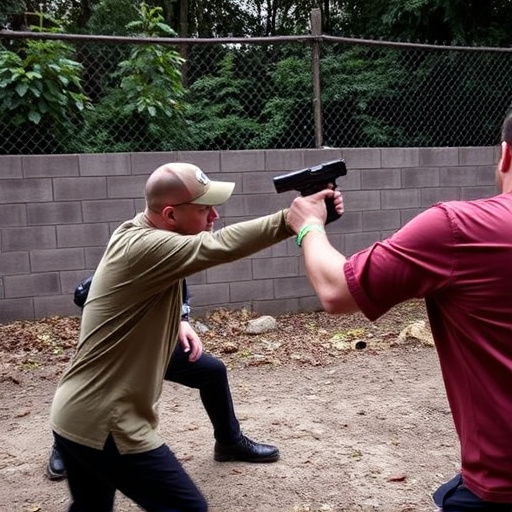
Understanding state laws on taser ownership is crucial when considering acquiring a silent stun gun for discreet self-defense. Each U.S. state has its own regulations regarding the possession and use of Tasers, also known as stun guns. These laws vary greatly from one state to another, affecting factors like who can own a Taser, where they can be carried, and how they can be used. For instance, some states allow only licensed individuals or law enforcement to possess Tasers, while others have more relaxed restrictions. Additionally, certain states mandate specific training or licensing for Taser ownership, ensuring responsible use.
When navigating state laws on taser ownership, it’s essential to research and understand the regulations in your particular state. This includes being aware of any restrictions on power output, prohibited areas for carry, and legal implications for misuse. Moreover, staying informed about recent changes in legislation can help ensure compliance and promote safe self-defense practices with silent stun guns.
Eligibility Criteria for Civilian Use of Tasers
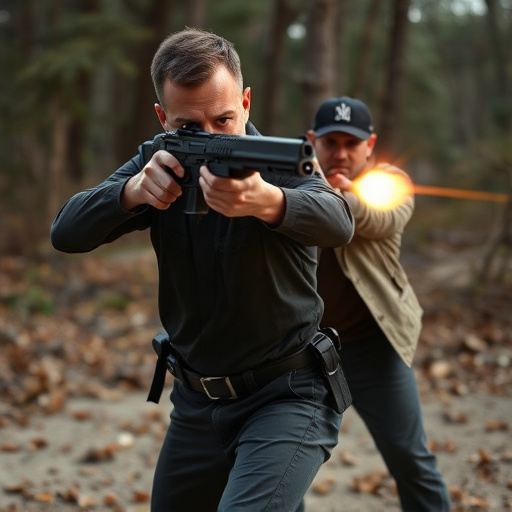
In many states, civilians can own tasers for self-defense purposes, but strict eligibility criteria apply. Typically, individuals must be over a certain age (often 21 or older) and pass a background check to purchase one of these powerful stun devices. Some jurisdictions also require proof of training in the safe handling and use of tasers, ensuring that owners understand the potential risks and responsible usage. The focus on regulation is to balance the benefits of personal protection with public safety, especially considering the potency of these silent stun guns for discreet self-defense scenarios.
Eligible buyers often need to demonstrate a legitimate need for self-protection or provide a valid reason for ownership, such as working in high-risk professions. These requirements vary across states, but they aim to prevent misuse and ensure that tasers are employed responsibly when needed for defense against physical threats.
Legal Implications and Safety Regulations
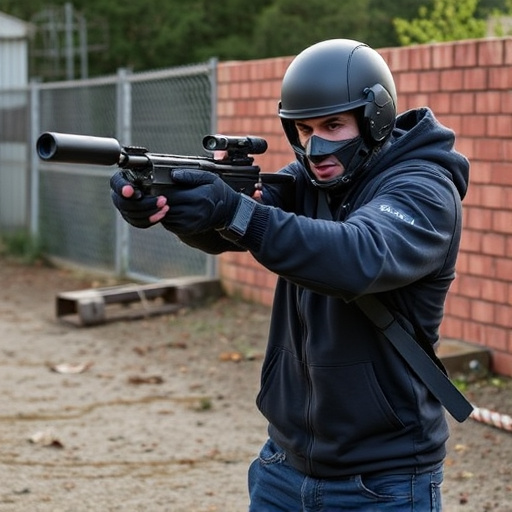
The legal implications of owning a civilian taser, or silent stun gun, as it’s sometimes known, vary significantly across states. While some areas allow open carry with minimal restrictions, others have stringent requirements that include mandatory training and licensing. Non-compliance with these regulations can result in severe penalties, including fines and imprisonment.
Safety regulations are also paramount when considering taser ownership. Beyond legal mandates, responsible users should prioritize safety by familiarizing themselves with the device’s proper use, storage, and maintenance. This includes understanding the weapon’s range, the importance of aiming for non-lethal zones, and recognizing the potential risks associated with using a stun gun in certain situations to avoid causing harm or injury.
In conclusion, understanding the nuances of state laws regarding civilian taser ownership is paramount for those seeking discreet self-defense options with silent stun guns. While eligibility criteria vary widely, adhering to legal implications and safety regulations is non-negotiable. By staying informed about their rights and responsibilities, civilians can exercise their ability to protect themselves effectively while navigating the legal landscape surrounding taser ownership.